

For years, businesses have looked to the same well-established offshore destinations to access cost-effective, reliable talent. But as competition for skilled workers intensifies, and companies face rising costs and limited supply in traditional hubs - many are exploring new, underutilised markets.
Sri Lanka is quickly becoming a go-to destination for global outsourcing. From traditional BPO services like customer support to high-end KPO (knowledge process outsourcing) work in finance, tech, and analytics, it’s a country with both the infrastructure and talent to deliver.
Sri Lanka’s outsourcing industry has seen consistent growth of 13-14% year-on-year over the past decade, a trend that accelerated during the COVID-19 pandemic as global digitalisation surged1. While there have been natural fluctuations, overall demand for outsourcing services remains steady.
In this guide, we’ll explore why outsourcing to Sri Lanka is on the rise. We’ll look at the advantages it offers, the industries it supports, and what business owners and HR leaders should consider when adding Sri Lanka to their global talent strategy.
English is the primary language of business, education, and government in Sri Lanka, ensuring clear and professional communication with offshore teams. This reduces misunderstandings and supports smooth day-to-day collaboration, which makes it easier to integrate offshore staff as part of your team.
Education is a national priority in Sri Lanka, with free schooling offered up to the secondary level to ensure broad, equitable access2. This strong commitment has produced a highly literate population, with a 92% literacy rate that stands well above the global average of 86%. Beyond this, Sri Lanka has a strong network of public and private universities producing graduates in fields like software development, engineering, finance, law, and medicine. This emphasis on education creates a workforce that is not only proficient in English but also brings the technical and analytical skills needed for both traditional BPO services and specialised knowledge work.
Sri Lanka’s workforce also offers multilingual capabilities, with professionals available who speak languages like French, German, Italian, Spanish, Korean, Chinese, and Japanese - making it even easier to serve diverse global customer bases.
One of the reasons Sri Lanka stands out as an outsourcing destination is its ability to deliver skilled talent at far more affordable rates - without compromising on expertise or quality.
Labour costs in Sri Lanka are significantly lower than in Australia, especially for technical and back-office roles. Depending on the position and experience level, businesses can save up to 60–70%.
The cost advantage becomes especially clear when you compare living expenses. For example, to maintain the same standard of living as someone earning $11,000 per month in Sydney, Australia, you’d only need about $3,990 per month in Colombo, including rent in both cities.
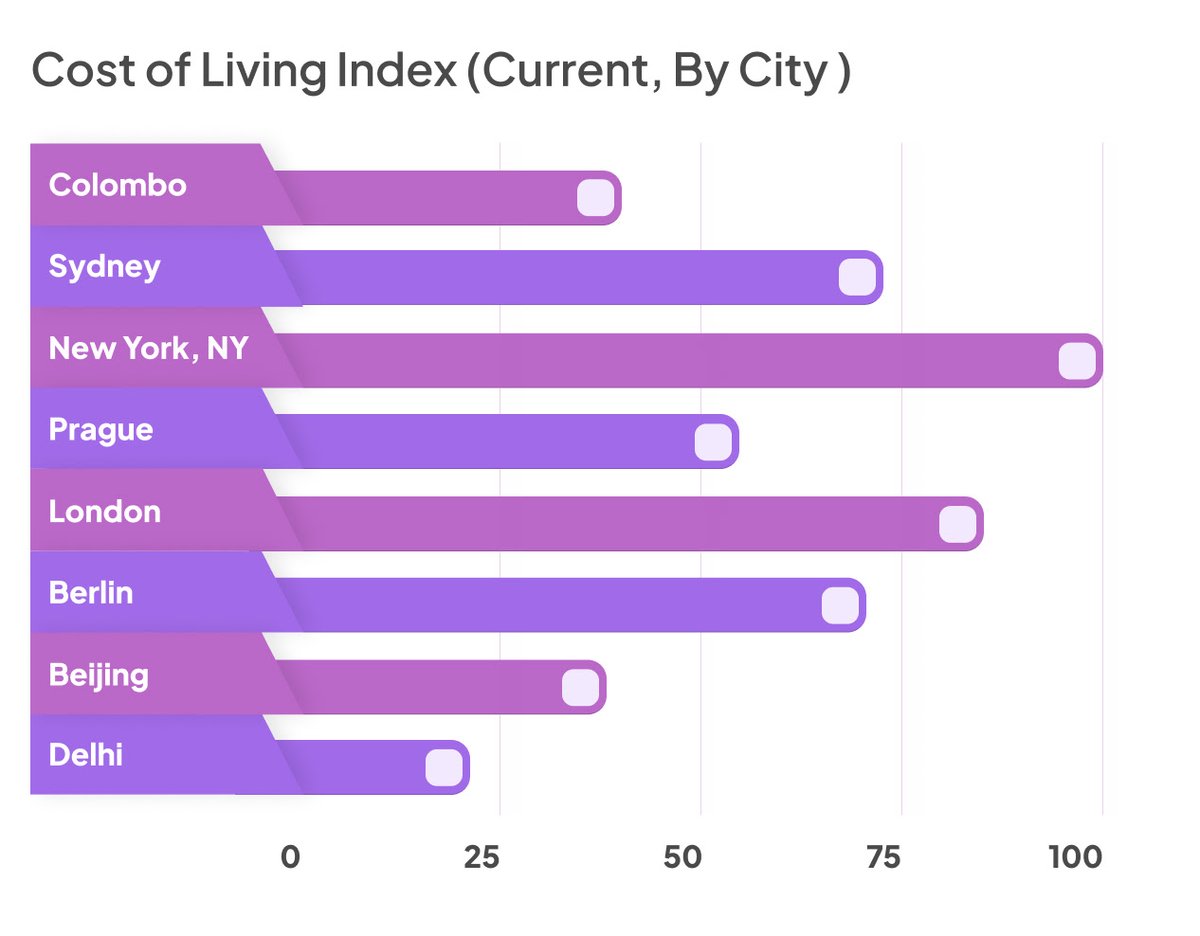
Further cost comparisons between Sydney and Colombo:
These substantial differences mean skilled professionals in Sri Lanka can maintain a comfortable quality of life on salaries that remain highly cost-effective for international employers.
To better understand salary structures, labour rates, and talent availability, explore our outsourcing guide for a comprehensive comparison between Sri Lanka and Australia.
Well-developed, secure, and compliant outsourcing ecosystem
Sri Lanka’s outsourcing sector is well-developed and highly structured, shaped by government support and industry collaboration to meet international expectations. Government and industry bodies actively support the sector through training programs, tax incentives, and infrastructure development, helping providers maintain high standards and ensuring a steady pipeline of skilled talent.
Data security and compliance are central priorities. Many providers follow practices modelled on European GDPR standards, ensuring sensitive information is handled with care. Sri Lanka also has robust intellectual property regulations, backed by dedicated national offices focused on policy, awareness, and enforcement.
In 2022, the country introduced the Personal Data Protection Act (PDPA) - the first comprehensive data protection law in South Asia5. Inspired by the EU’s General Data Protection Regulation (GDPR), it sets clear standards for how businesses in Sri Lanka manage personal data, giving international clients who wish to outsource in this country an added confidence in privacy and compliance.
Cultural compatibility
One of the most important (but often overlooked) advantages of outsourcing to Sri Lanka is its strong cultural alignment with international businesses.
With decades of experience serving clients across Australia, Europe, North America, and beyond, Sri Lankan teams are well-versed in international business practices, expectations, and communication styles. The education system emphasises English-language learning and globally recognised curricula, making it easier for professionals to understand and adopt international work norms.
This cultural familiarity shows up in how teams collaborate, meet deadlines, and deliver quality work. They’re used to working in agile environments, handling direct feedback, and prioritising customer experience in line with global standards.
Time zone advantage
Sri Lanka’s time zone (GMT+5:30) is highly compatible with Australian business hours, typically offering 2-5 hours of overlapping work time depending on the state and season.
This alignment makes real-time collaboration far easier than with more distant offshore locations such as Brazil and Egypt. Australian teams can schedule meetings, share updates, and manage projects during their own workday without late-night or early-morning calls.
It also supports agile workflows and faster decision-making, helping offshore teams in Sri Lanka feel like a true extension of your in-house staff.
One of Sri Lanka’s greatest advantages is its evolving, sophisticated talent pool. While the country first built its outsourcing reputation on traditional BPO services like call centres and data entry, it has steadily invested in education, training, and industry development to support higher-value work.
Today, Sri Lanka’s outsourcing sector is about much more than back-office support. Companies can now tap into specialised professionals with advanced skills in technical, financial, legal, and analytical fields — making it a credible choice for both cost-efficient operations and strategic, knowledge-based work.
Two of Sri Lanka’s standout capabilities are product engineering and finance.
1. Product engineering:
Sri Lanka has built a strong heritage in product engineering, supported by low attrition rates and the ability to attract and retain talent over the long term. Teams here are known for their cohesive, collaborative work style, making them well-suited for agile development and complex engineering projects that require continuity and trust.
2. Finance:
Finance is another core strength, particularly in the BPO and KPO sectors. Sri Lanka has produced a large number of qualified accountants and offers deep expertise in transactional processing, management reporting, and compliance. The industry also supports research-oriented work such as revenue cycle management in healthcare, highlighting the depth and versatility of the country’s finance talent pool.
Other key outsourcing areas include:
Businesses outsource offshore Sri Lankan teams for a wide range of roles that go beyond traditional back-office functions. With its strong education system, English proficiency, and professional work culture, Sri Lanka supports both high-volume BPO and specialised, knowledge-based KPO services.
Popular outsourced roles include:
Outsourcing to Sri Lanka offers access to skilled, English-speaking talent at a competitive cost. But real success depends on how you set up and manage your team. Here are five practical ways to make your offshore partnership work:
A good outsourcing partner in Sri Lanka will prioritise people and outcomes — not just headcount. Look for providers who offer end-to-end support, from recruitment and onboarding to ongoing management. They should be transparent about pricing, ensure strong data security and compliance (including GDPR-style local laws), and focus on matching talent for both skills and cultural fit. Partners who invest in employee engagement and have solid business continuity plans help you maintain stability and quality over the long term.
Your offshore team will only succeed if they truly understand your business. Make onboarding count by sharing clear documentation, granting systems access, and setting up welcoming introductions. A thoughtful handover process and dedicated knowledge-sharing resources will help your Sri Lankan team members ramp up quickly and feel like part of your company.
Effective communication fosters trust and ensures work stays on track. Go beyond simple task updates with regular check-ins and genuine relationship-building. Use tools like video calls, messaging apps, and project management platforms to stay connected, promote collaboration, and ensure your offshore team always knows what’s expected.
Collaboration tools such as Slack, Asana, or Microsoft Teams can bridge the distance, giving everyone visibility on tasks and timelines. At Teamified, we also offer a fully integrated platform that makes it easy to track performance, support your team, and keep everyone aligned — so your Sri Lankan staff feel like a true extension of your local workforce.
Outsourcing is not a “set and forget” approach. Your offshore team needs clear goals, regular feedback, and ongoing guidance to do their best work. Be realistic about ramp-up times, invest in cultural onboarding, and stay actively involved to ensure your team remains motivated, productive, and aligned with your business goals.
Outsourcing to Sri Lanka offers a strong value proposition: cost savings, access to highly skilled, English-speaking talent, cultural compatibility, and a mature, secure outsourcing ecosystem. It’s an increasingly popular choice for businesses looking to scale operations, reduce costs, and tap into specialised expertise.
But building a successful offshore team is more than just picking the right location. It’s about laying the groundwork for strong partnerships, effective onboarding, and clear communication. Done right, your Sri Lankan team becomes a true extension of your business, fully aligned with your goals and standards.
Curious about how to avoid common pitfalls? Don’t miss our guide on the biggest mistake you’re probably making when hiring offshore . It’s a practical read for any business leader looking to establish a successful offshore strategy.
Simon is the Co-Founder of Teamified, where he helps businesses scale by connecting them with high-performing global talent. His expertise lies in optimising remote team management, ensuring companies can hire, manage, and pay contractors seamlessly across 150+ countries.
With over two decades of experience in FinTech, SaaS, and outsourcing, Simon has co-founded multiple successful ventures, including Assembly Payments and Lazu. His deep understanding of technology, payments, and operational efficiency enables him to support businesses in building high-performing outsourced teams while driving cost efficiencies.
Since launching Teamified, Simon has been a trusted partner for companies looking to expand their onshore operations with a smarter, faster, and more strategic approach to outsourcing.