

.webp?width=400&height=300&name=Screenshot%202026-03-27%20at%201.30.41%20PM%20(1).webp "Why Our Clients Choose Outsourcing to India for Success")
Outsourcing has evolved significantly beyond being merely a cost-cutting measure. Today, it’s about building smarter, scaling faster, and giving businesses the edge they need to compete in an increasingly global economy. For many companies, India has become the go-to destination for offshore teams.
At Teamified, we’ve seen this play out time and again. From startups racing to launch their first MVP to growing companies looking to expand without overstretching budgets, our clients have tapped into India’s talent to achieve real results.
In this article, we’ll explore six key reasons why businesses choose to outsource to India, and share client success stories that show how our India-based teams are driving growth in practice.
One of the biggest reasons businesses look to outsource jobs to India is cost efficiency. Labour costs in India are significantly lower than in Australia, yet the quality of talent remains world-class. This balance gives companies the freedom to reinvest savings into areas like product development, marketing, and customer growth without sacrificing standards.
It’s important to note that India may no longer be the cheapest outsourcing destination, but it continues to offer exceptional value for money. Salaries for technical and back-office roles are still up to 70% more affordable than in Australia, depending on role and experience level.
This advantage is amplified by the difference in cost of living: to maintain the same standard of living as someone earning AUD $11,000 per month in Sydney, you’d only need around AUD $2,700 in Delhi, India.
With living costs in Delhi averaging 68–75% lower than in Sydney, it’s easy to see why salary expectations remain more competitive while still attracting highly skilled talent.
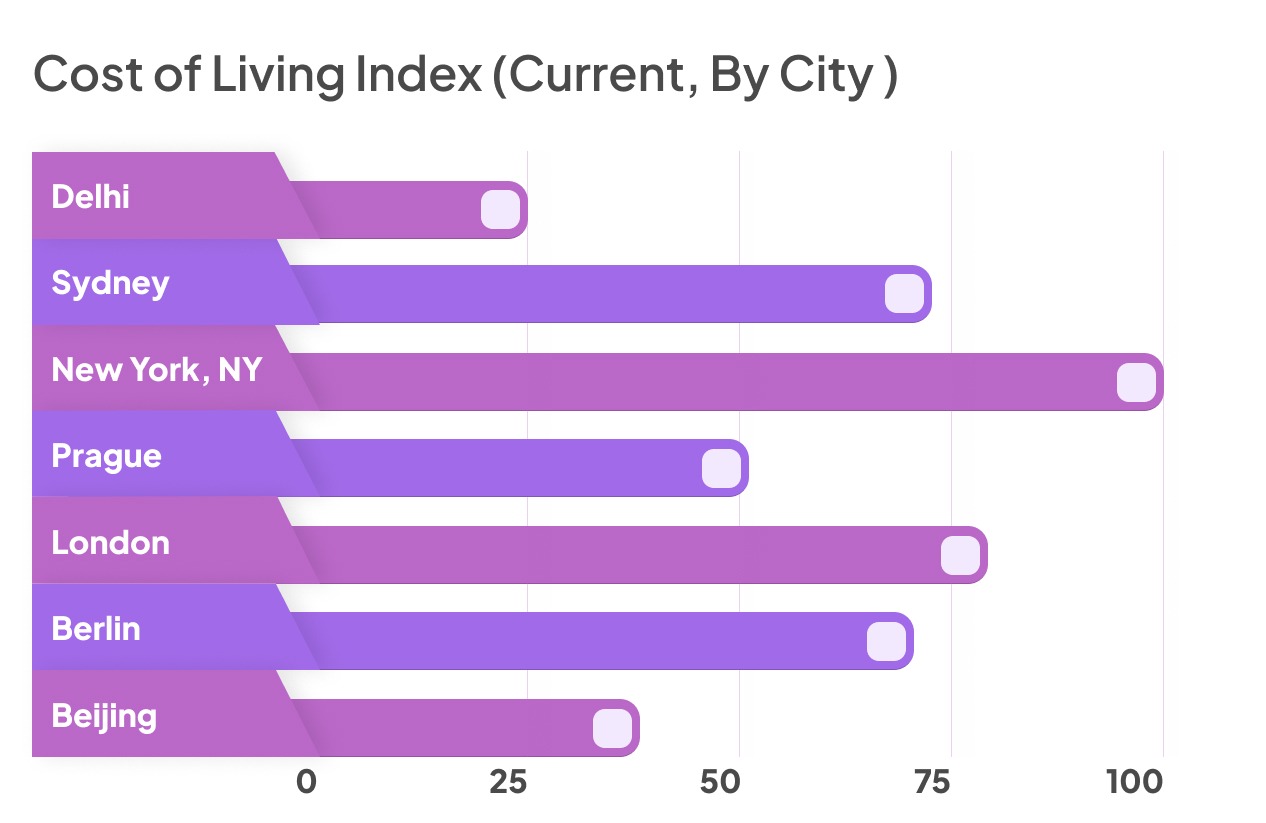
Source: Cost of Living Comparison Between Sydney and Delhi [May 2025] (numbeo.com)
For clients, these savings are very real. Take Thriday, an innovative Australian fintech company. After raising over $3 million in crowdfunding, the founders faced the challenge of building their minimum viable product (MVP) without burning through capital.
By partnering with Teamified, Thriday established a dedicated offshore development team in India — 17 professionals including backend developers, DevOps engineers, and UX/UI designers.
The result? An MVP was delivered for around $500k instead of the originally projected $2 million. That $1.5 million in savings was redirected to growth initiatives, helping Thriday move faster on their launch and focus resources where they mattered most.
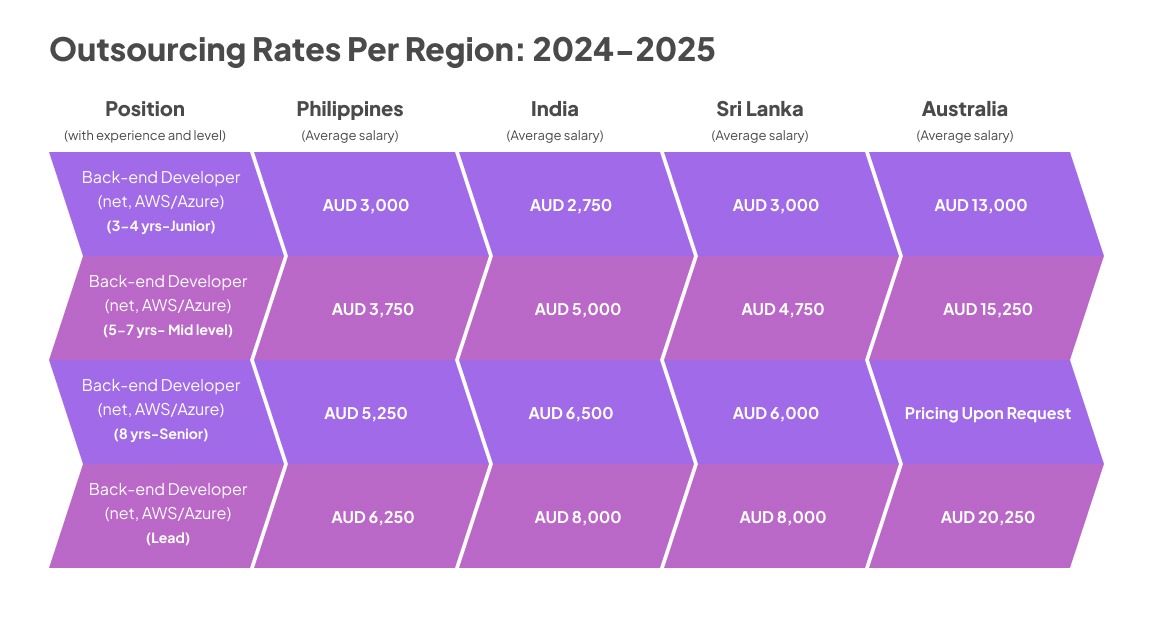
Source: Comparing Outsourcing Costs Across the Globe (Teamified)
While salaries in India have risen due to global demand, that shift has brought with it higher service quality, stronger training standards, and improved productivity.

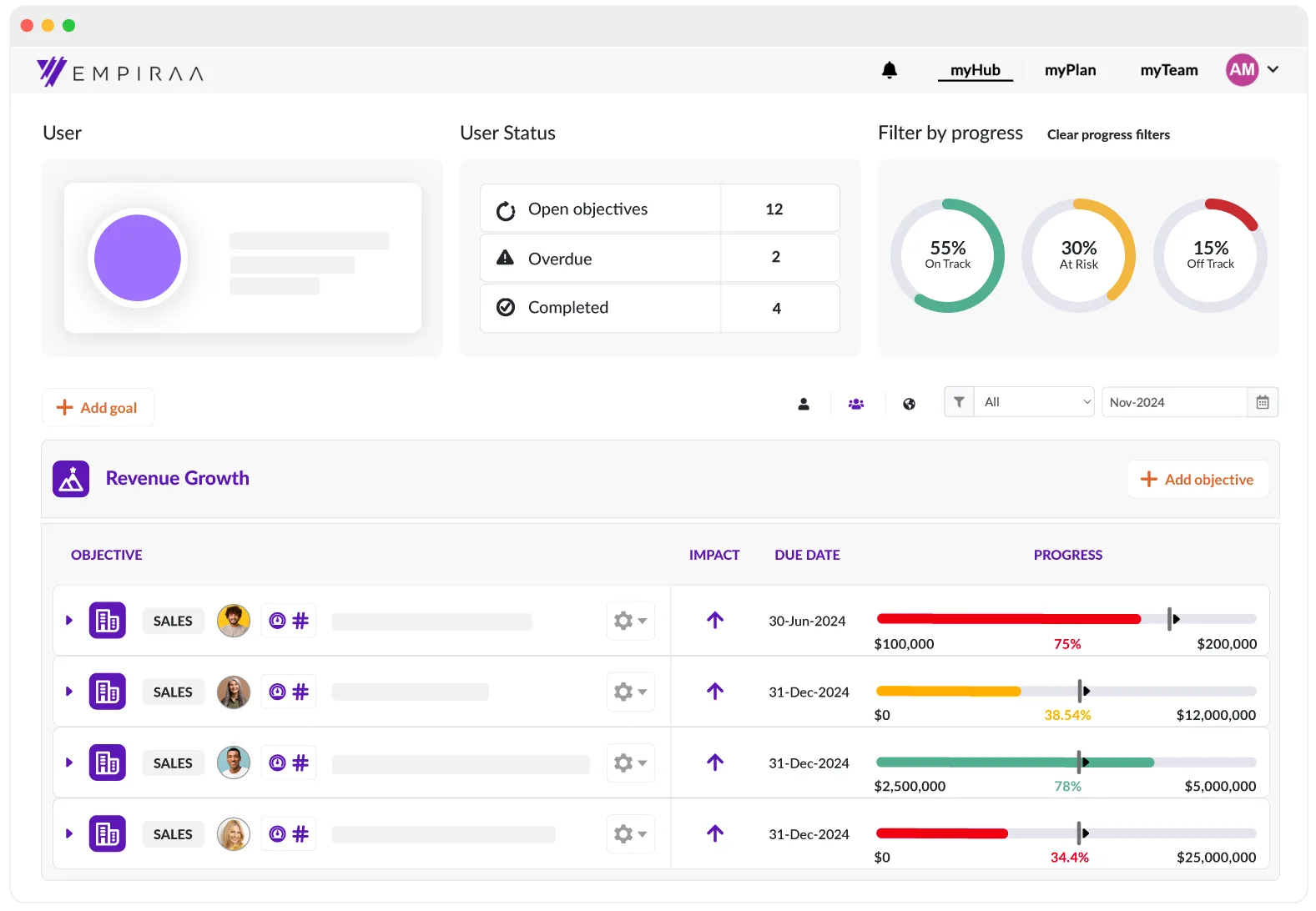
By choosing to outsource to India, both companies gained access to talent that would have been harder, slower, and significantly more expensive to hire locally.

For first-time outsourcers, one of the biggest concerns is whether offshore collaboration will run smoothly. India’s workforce addresses this challenge head-on. With an estimated 129 million English speakers (the second-largest English-speaking population in the world after the United States), India offers a workforce that can communicate clearly and effectively.
While English isn’t the first language for most Indians, it is deeply embedded in the professional ecosystem, especially in sectors like IT, finance, customer service, and digital marketing. This foundation makes it far easier to integrate offshore teams with onshore operations and maintain smooth, real-time collaboration across time zones.
This is something our clients experience every day. Butn, a financial services company specialising in invoice factoring, engaged Teamified to hire offshore talent. When Butn’s leadership explored outsourcing, they were cautious. One of their stakeholders had previously encountered issues like cultural mismatches, time zone difficulties, and disengaged offshore teams with previous outsourcing providers. Success would depend on finding a partner who could deliver both technical quality and cultural alignment.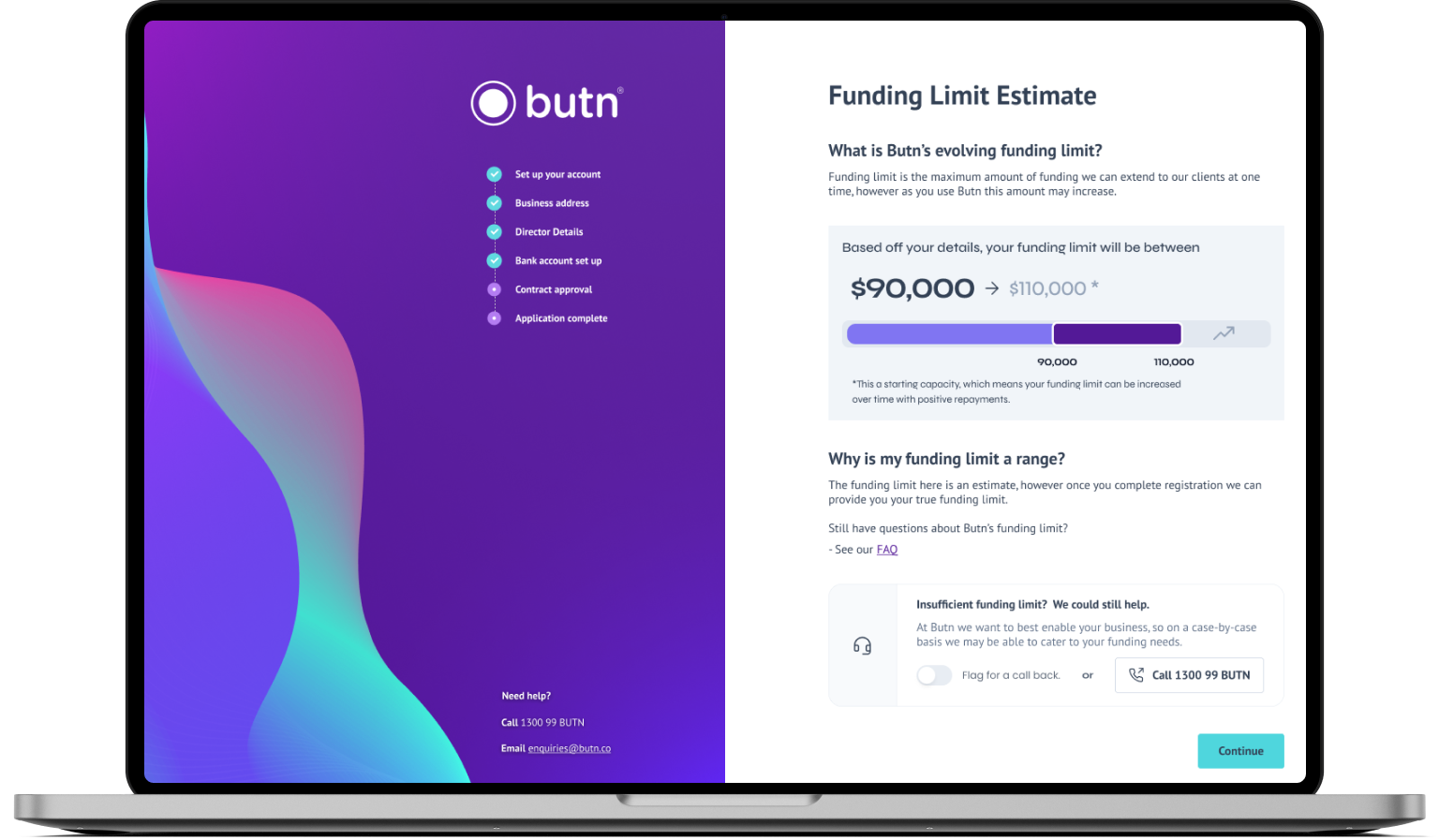
With Teamified’s support, Butn was able to build an offshore team that fit seamlessly into its operations. What began with a single engineer in 2021 has grown into a group of seven specialists across India, including solutions architects and Salesforce developers. Each hire was carefully matched to the company’s technical needs and ways of working, which meant they could contribute effectively from day one.
The benefits became clear quickly. Sprint cycles shortened, productivity improved, and the engineering team reached its best performance in years. Just as importantly, the offshore group worked side by side with Butn’s onshore staff through daily collaboration and direct communication. That sense of alignment helped Butn overcome operational challenges, boost efficiency, and achieve profitability, and this highlights how offshore teams in India can deliver both technical impact and cultural alignment when the right structures and support are in place.
References:
[1] Cost of Living Comparison Between Sydney and Delhi (numbeo.com)
[2] Thriday builds a game-changing MVP with Teamified’s global team solution (teamified.com)
[3] India is projected to produce 18 million STEM graduates by 2027 (indiatoday.in)
[4] Which countries’ students are most involved in STEM? (weforum.org)
[5] Empiraa scales its platform with Teamified’s global talent solution (teamified.com)
[6] Why Fortune 500 and emerging small businesses turn to India’s outsourcing hubs (linkedin.com)
[7] Indian IT & BPM Industry Analysis (ibef.org)
[8] How Many People in India Speak English? (thehistoryofenglish.com)
[9] How Butn increased productivity and efficiency with Teamified (teamified.com)