SHARE
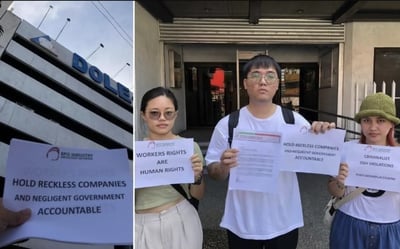
Photo from Philstar

Photo from Philstar

CEBU, Philippines – Several BPO firms in Cebu are under investigation by the Department of Labor and Employment (DOLE) after allegedly forcing employees to remain at work after a recent major earthquake. The incident has sparked widespread concern about labour and safety compliance in Philippine BPO hubs and reignited discussions on ethical standards within the outsourcing industry.

Rising scrutiny after the Cebu quake

The controversy stems from reports that some employees were instructed to resume work immediately after the 6.9-magnitude earthquake that struck Central Visayas on September 30, claiming dozens of lives and injuring hundreds.

The BPO Industry Employees’ Network (BIEN) Cebu said it received hundreds of complaints within two days, citing alleged violations of occupational safety and labour standards. Some workers reportedly continued taking client calls after the earthquake, while others found emergency exits blocked or evacuation delayed.

There were also accounts of employees being penalised for prioritising their safety, including loss of benefits, suspension of incentives, and formal disciplinary notices. BIEN further flagged cases where a pregnant staff member received little to no assistance during evacuation, and where operations resumed without safety clearance from authorities.

While certain firms reportedly offered double pay to those willing to return, the network stressed that incentives failed to address the core issue of neglecting safety obligations. Local labour groups and lawmakers have since called for stricter enforcement of the Occupational Safety and Health Standards (OSHS) law, warning that companies could face criminal liability for forcing staff to work under unsafe conditions.

Get Free Quote

What this means for outsourcing clients

For an industry that employs more than 1.7 million Filipinos and drives billions in annual export revenue, the Cebu incident has become a reputational flashpoint. It raises an uncomfortable question: how can outsourcing hubs maintain productivity and meet global service expectations without compromising workers’ safety?

For clients watching BPO issues in the Philippines, diligence is non-negotiable. Incidents like this highlight why strong vendor due diligence, transparent governance, and crisis readiness matter. Ethical governance, crisis readiness, and workforce protection have transcended HR topics; they now significantly impact brand perception and delivery stability.

Once safety lapses make the headlines, they quickly become business issues, testing client confidence and the resilience of vendor relationships. If you’re considering BPO outsourcing in the Philippines, it’s worth remembering that safety and governance are just as important as speed or cost savings.

A people-first approach to outsourcing

The lesson is simple: safety, welfare, and governance must be part of everyday operations, not something reviewed only when a crisis hits. That means planning for disasters, maintaining backup systems, communicating clearly, and regularly auditing compliance.

At Teamified , we’ve seen how flexibility keeps businesses ready. Our hybrid and remote setup lets teams work safely from home or from secure offices during disruptions. We also maintain clear safety protocols and business continuity processes to protect our people and maintain steady client delivery.

The Cebu case is a reminder that sustainable outsourcing begins with putting people first. Safety and respect shouldn’t depend on circumstances. They’re what keep teams loyal and partnerships strong.

For us at Teamified, people always come first. With the right tools, processes, and care, we make sure teams can work safely and confidently wherever they’re based.

About 

Screenshot 2025-10-15 at 2.12.57 PM
Leading Outsourcing Company that Connects Businesses to World-Class Offshore Talent.
We help businesses outsource top offshore talent around the world - helping them scale faster, smarter, and cost-effectively without compromising quality.